
Technology
-
AI Trust, Risk & Security Management
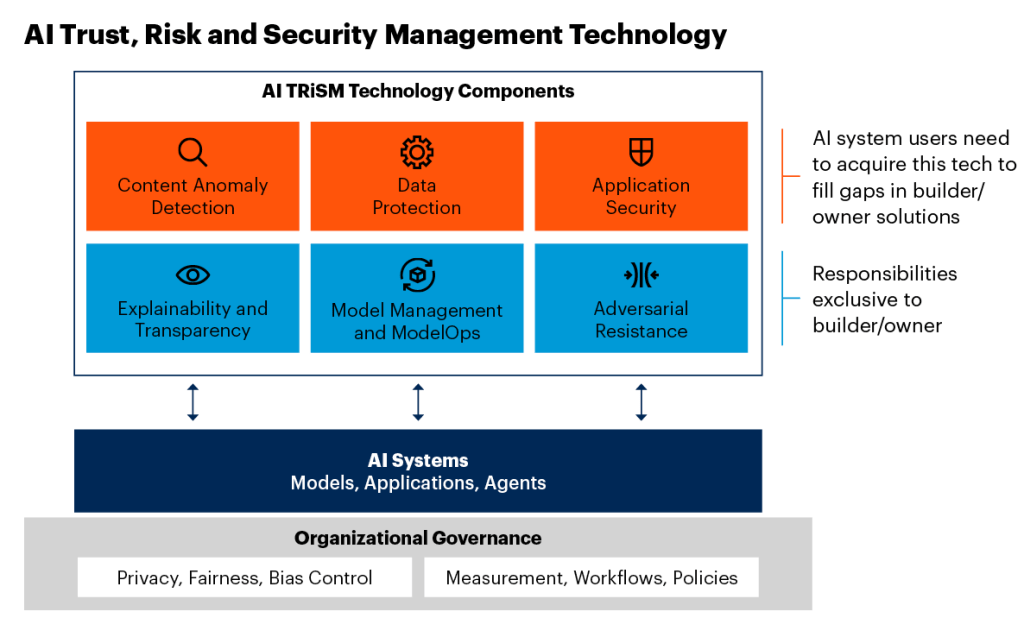
The democratization of AI and use of LLM services such ChatGPT & Bard (now Gemini) in the enterprise use cases also pose significantly evolving risk to the organization. Without proper controls, any type of AI model can quickly generate compounding negative effects which may overshadow any positive gains from AI. AI TRiSM(Trust, Risk and Security… Continue reading
-
Proposed EU AI act and it’s impact
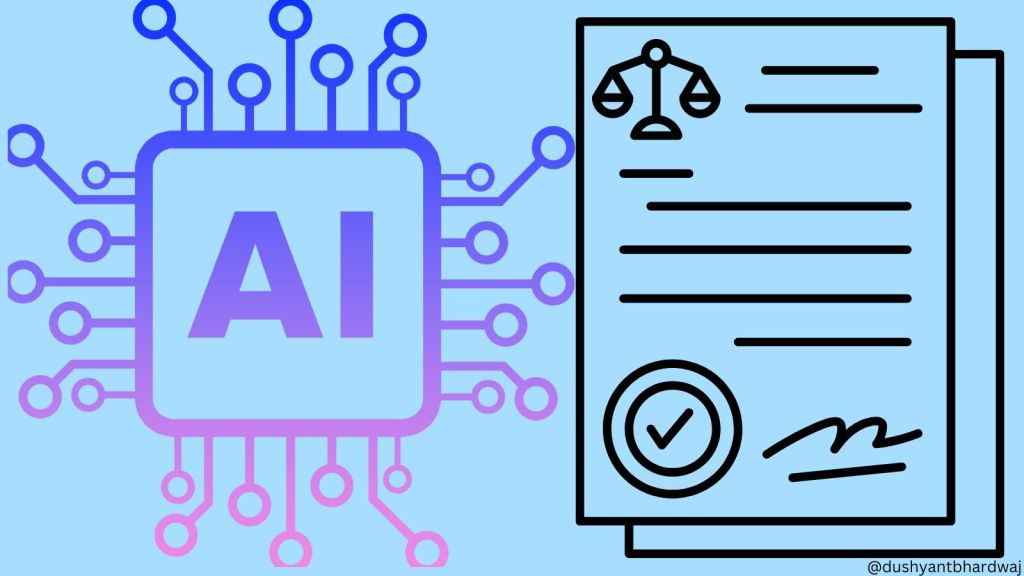
The proposed EU AI act which is currently in its final stages is going to be world’s first comprehensive legal framework for AI. Technology leaders must be prepared to put a plan to deal with AI risks, trust and security management. Key elements of the current draft include: It is has proposed three risk categories:… Continue reading
-
Combinatorial Innovation
Combinatorial innovation explores and exploits how multiple technologies and non-technology events interact to create disruptions, drive trends or enable innovative opportunities to generate business value. There are three components to combinatorial innovation that technology innovation leaders, should incorporate into their process for evaluating emerging technology trends: 1.Combine — Focus business innovation projects and proof of concept efforts… Continue reading
-
How MECE can help you create your technology strategy?
MECE, pronounced “mee-see,” stands for “Mutually Exclusive, Collectively Exhaustive”. Its origins can be traced back to Aristotle to Barbara Minto’s work in ‘Pyramid Principle’, however it was popularized by consulting firm McKinsey. Lets take some examples – Spades, Diamonds, Hearts, Clubs – is a MECE list for Playing Cards Winter, Spring, Summer, Fall – is… Continue reading
-
Generative AI – is your organization ready?
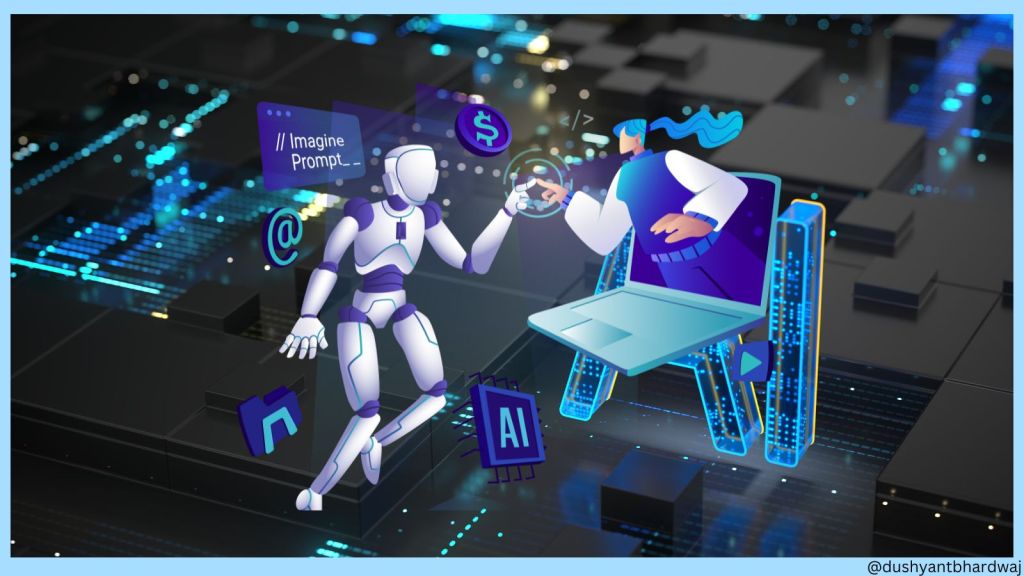
Generative AI has shifted AI paradigm. AI which was only available to techies in the past is now available for common users. Machines are no longer just applying the algorithms and playing in the background, with generative AI, machines are now playing the role of a coach, consultant, friend, boss and interestingly customers. Organizations are… Continue reading
-
Platform as a product

Some of the most valuable companies in the world today—Apple, Alphabet, Amazon, Facebook, and Microsoft—derive much of their worth from their multisided platforms (MSPs), which facilitate interactions or transactions between parties. Many MSPs are more valuable than companies in the same industries that provide only products or services: some notable examplebris Airbnb being worth more… Continue reading
-
Technology Innovations
Technology innovations must be one of key objectives for technology leaders. One of the key issues though is having a clear understanding of innovation effort across the organization. The common ground I see is where business teams appreciate the emerging technology and tech leaders having an understanding of business value it will bring. The problem… Continue reading
-
Understanding Cloud Native
There is so much confusion around the term cloud native. Let’s first understand the definition. I like Gartner’s definition as it is much more concise. “something is cloud-native if it is optimally leveraging or implementing cloud characteristics.” In an architectural view, Cloud-native applications should ideally be latency-aware, instrumented, failure-aware, event-driven, secure, parallel, automated and resource-consumption-aware… Continue reading
-
Cookies will be dead. Future of customer engagement!
Enterprises have been using cookies (small text files that are stored on your device) to monitor consumer behaviour. However, consumers are increasingly concerned about who is collecting this data and how it is being used. Regulators are increasingly tightening measures. For example, GDPR regulations are being considered to expand for a complete ban on ad… Continue reading
-
When ‘debugging’ was literally meant debugging!
Early electric computers used the vacuum tube, a lightbulb-like metal filament enclosed in glass. The electric current running through the tube could be switched on and off. A tube turned on was coded as a 1 while a vacuum tube turned off was a 0. These two digits could produce any number using a system… Continue reading
 Thinking Space