
Innovation
-
Thinking Tools for Innovation

The three reasoning approaches serve distinct but complementary roles in innovation, with each suited to different phases and types of challenges. Deductive reasoning applies established theories and frameworks to specific situations, working from general principles to specific conclusions. You can use deductive reasoning to apply the established theory, “build market share and profits will follow,”… Continue reading
-
Ivory tower assumptions

An interesting story from the mid-90s, when US carmakers wanted to enter the Indian market. However, the prices of their cars were high for the Indian market. So, they asked the car designers which features from the car could be eliminated to make it affordable. Designers made an assumption by looking at US customers and… Continue reading
-
Innovation without ecosystem is merely an invention
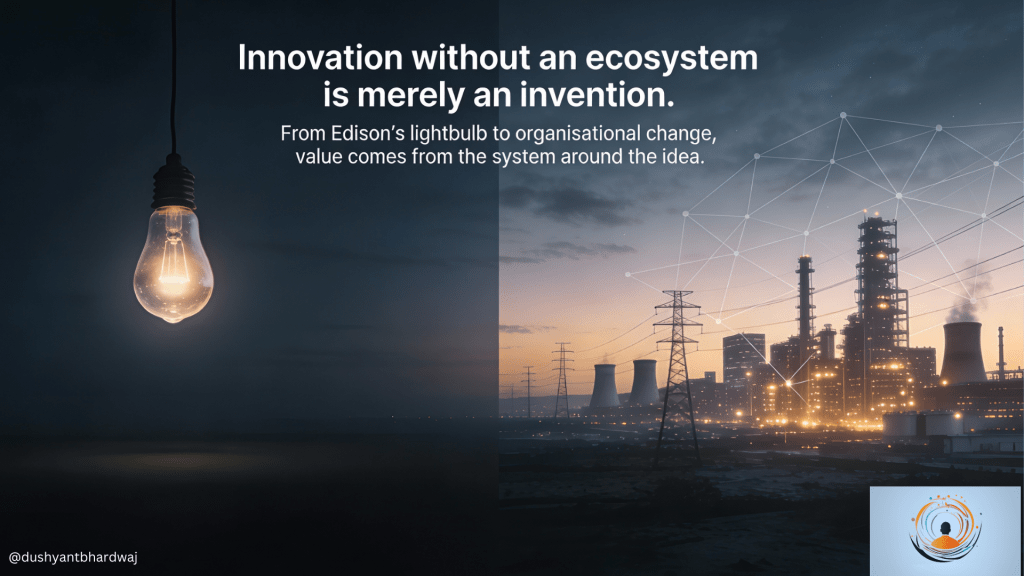
Thomas Edison wasn’t technically the inventor of a light bulb. Decades before him, inventors such as Ebenezer Kinnersley (1761) and Humphry Davy (early 1800s) did a great amount of work to create incandescent lamps. However, Edison turned the electric lightbulb into a practical product and wrapped an entire ecosystem around it. Edison understood that the… Continue reading
-
How Newton’s First Law Explains Organisations’ Innovation Struggles?
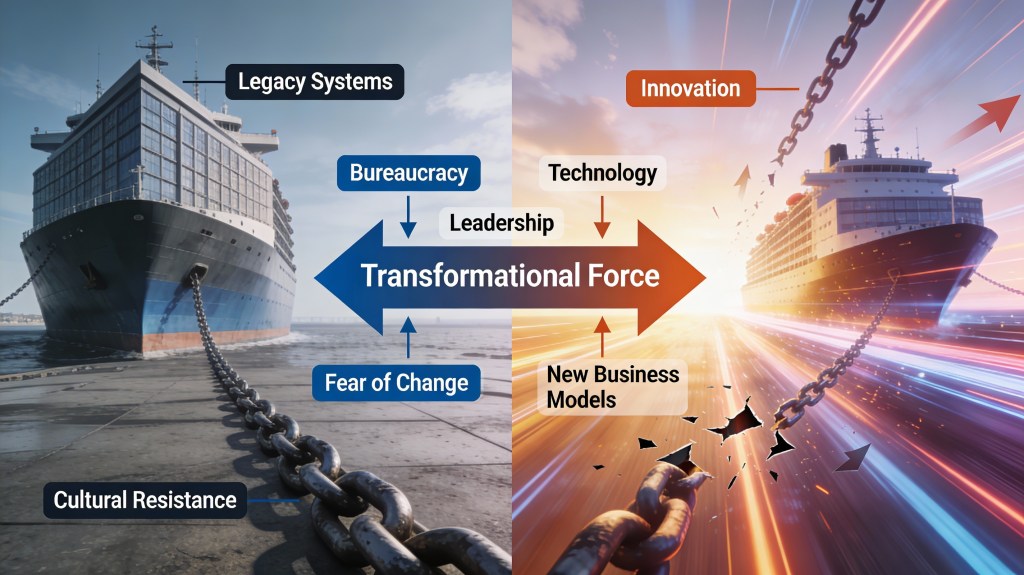
Newton’s first law of motion is also called the law of inertia. Organisations looking to innovate get trapped with this inertia. Organisational inertia keeps them with the status quo. When trying to break the status quo, you hear those famous words: “This is how things are done here!” You can’t just start innovating the organisation… Continue reading
-
Innovation energy

Every organization has a vast amount of innovation energy, but most of them waste their innovation energy by either not harnessing it properly and keeping it locked, or showing off with one-off innovation efforts that go nowhere. Many think that they have done a great deal by asking their employees about innovative ideas, but never… Continue reading
-
Parmenides’ Fallacy

If you believe innovation is unnecessary just because disaster hasn’t struck, you’re already caught in Parmenides’ Fallacy. Parmenides, the Greek logician, argued that reality is unchanging and the world evolves without our intervention. We compare today to the past, rather than to what would have likely happened if we had done nothing. When it… Continue reading
-
How to scale Technology Innovations that deliver business value?
Even after proofs of concepts (POCs) that solve identified business problems, scaling the innovative solutions can feel like trying to build a sandcastle during high tide. Two key areas that can help scale your innovation efforts: You will always have limited resources to help all the innovation efforts that can be there at a given… Continue reading
-
What you see is all there is or shall I say what you show is all there is?
Let me start with a beautiful scenario from Innovator’s Dilemma (slightly adapted version)In the same week, two respected employees, one from marketing, the other from engineering, run two very different ideas for new products past their common manager two levels above them in the organization. The marketer comes first, with an idea for a higher-capacity,… Continue reading
-
Isn’t nearly everything a technology-led innovation?
When we think of technology-led innovation, we misjudge it as some emerging technology or a new shiny tool.However, if we extend technology’s definition as Clay Christensen put it – “the processes by which an organization transforms labour, capital, materials, and information into products and services of greater value”, then innovation refers to a change through… Continue reading
-
Reverse Innovation: A key tool for your innovation toolkit
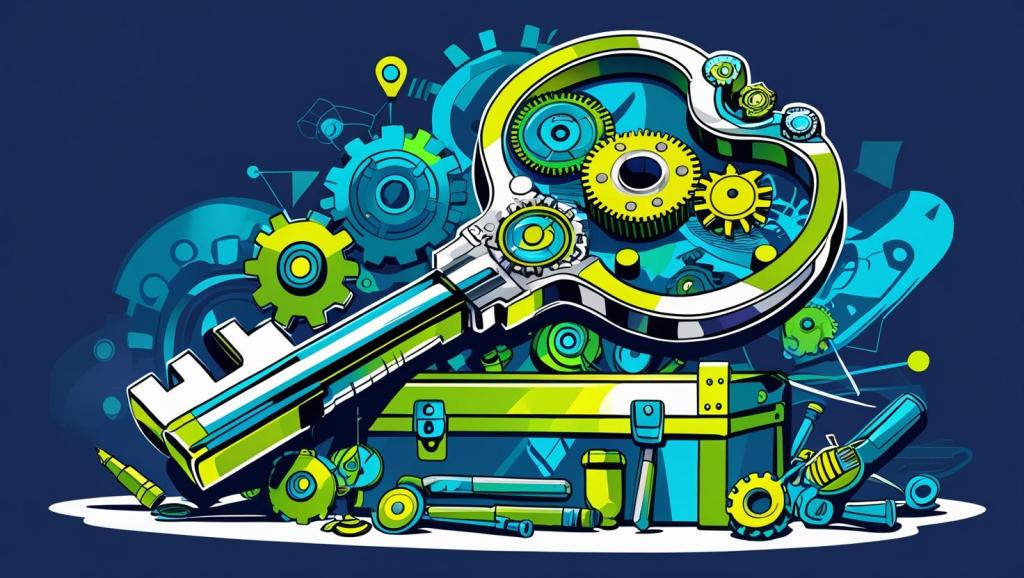
Reverse innovation refers to the strategy of bringing your local innovations which have worked for a local market to the centre to expand and scale for your wider customer base or wider organizational context. This approach flips the traditional innovation flow, which typically sees products or services to be designed first and then trying to… Continue reading
 Thinking Space