
-
4 Storytelling Secrets to Make Your IT Strategy Unforgettable
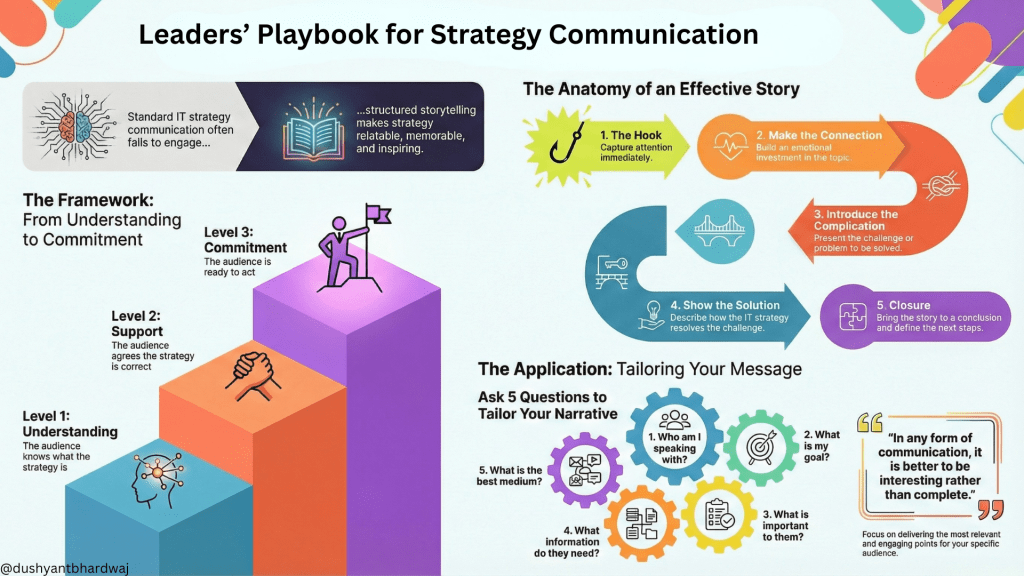
Traditional approaches to communicating the IT strategy are failing you. 4 Storytelling Secrets to Make Your IT Strategy Unforgettable. As technology leaders, we focus too much on whether the business case is solid, the architecture is sound, and slides are packed with data to prove it. Yet, when you are done presenting your IT strategy,… Continue reading
-
Business capabilities: A misunderstood and underrated tool for your IT strategy
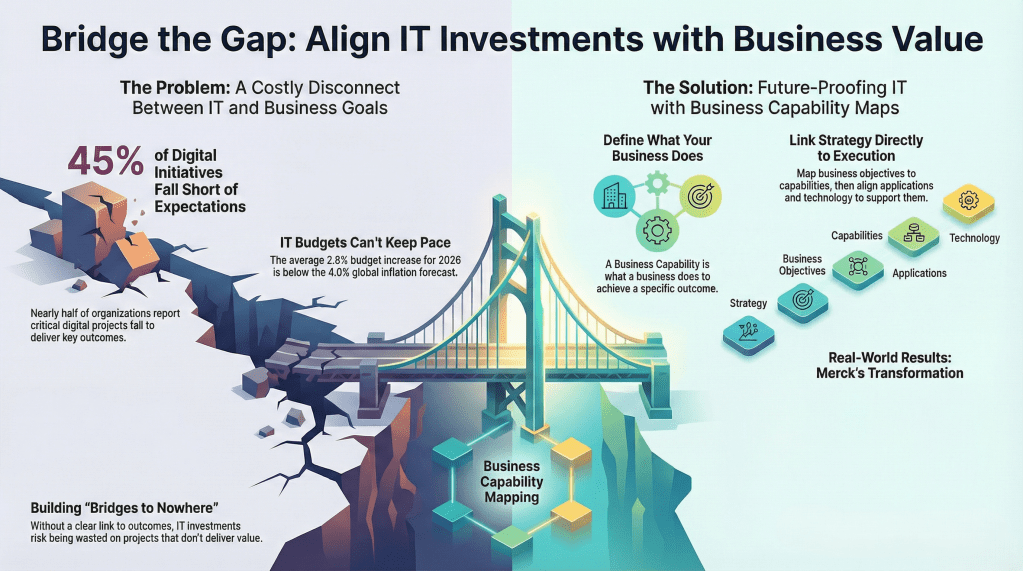
Too often, we have seen discussions on business capabilities being limited within Enterprise Architecture teams. These hardly reach CIOs and business strategists to really make an impact. In fact, business capabilities, when used correctly, are foundational to any business and IT strategy. CIOs and IT leaders who don’t use them in their strategy creation are… Continue reading
-
Victims of terminology
Technical people fall in love with acronyms and often become victims of their terminology. We would be much better off focusing on the value being delivered rather than the technology being offered. Continue reading
-
Thinking Tools for Innovation

The three reasoning approaches serve distinct but complementary roles in innovation, with each suited to different phases and types of challenges. Deductive reasoning applies established theories and frameworks to specific situations, working from general principles to specific conclusions. You can use deductive reasoning to apply the established theory, “build market share and profits will follow,”… Continue reading
-
Architecture is a meaningful discussion
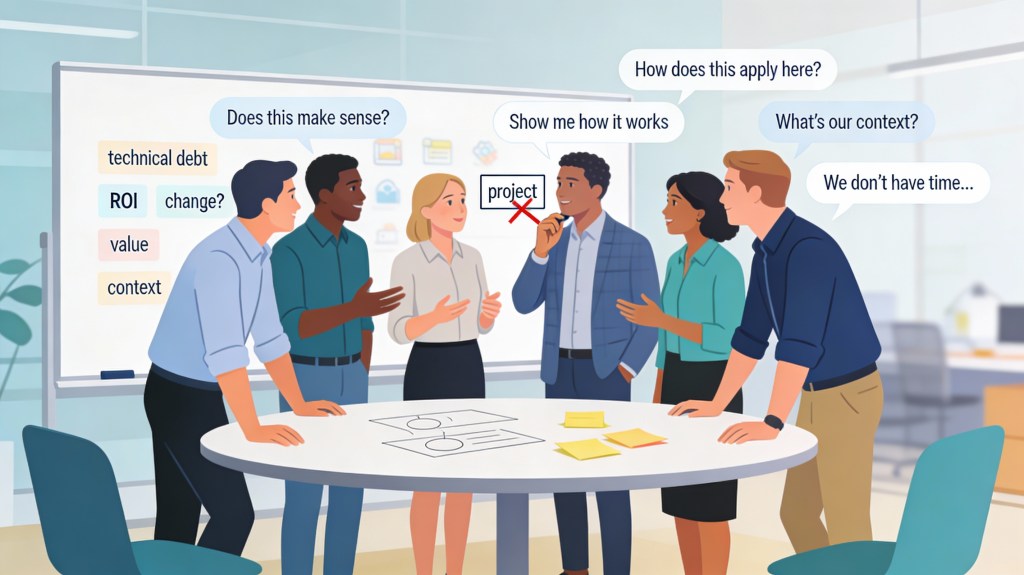
Sometimes architecture is simply a discussion, a dialogue, not necessarily a diagram or architectural artefact. It’s not only about just transformation or change initiatives. You may achieve more by cancelling a change initiative through meaningful discussion – walking through the current landscape, the technical debt it might bring and the size of investment vs ROI.… Continue reading
-
Gooch’s Paradox
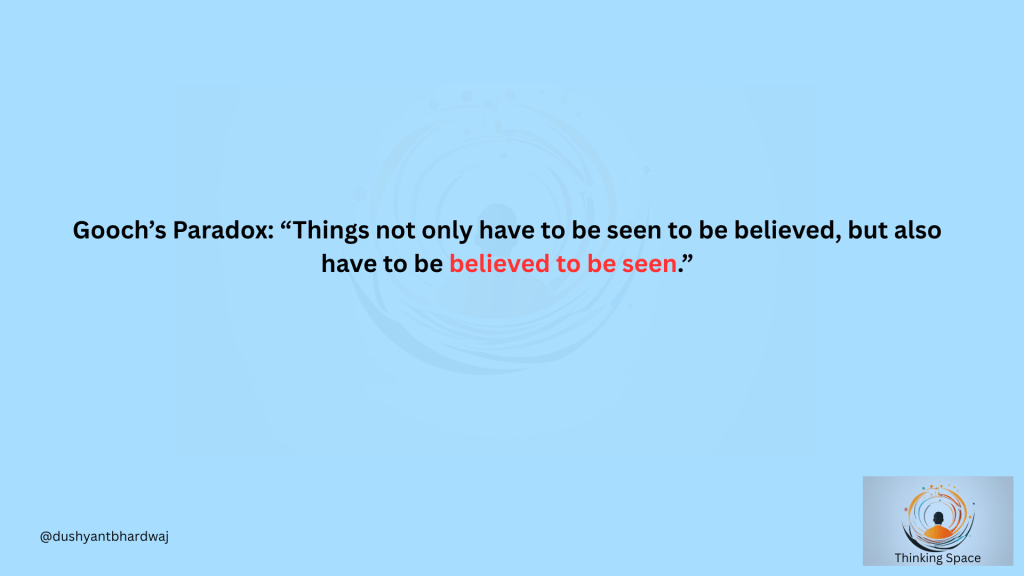
Gooch’s Paradox: “Things not only have to be seen to be believed, but also have to be believed to be seen.” I consider that the latter part of the paradox is what causes organisations to get stuck because their leaders often literally cannot “see” certain risks or opportunities until their mental model changes. Continue reading
-
Ivory tower assumptions

An interesting story from the mid-90s, when US carmakers wanted to enter the Indian market. However, the prices of their cars were high for the Indian market. So, they asked the car designers which features from the car could be eliminated to make it affordable. Designers made an assumption by looking at US customers and… Continue reading
-
Innovation without ecosystem is merely an invention
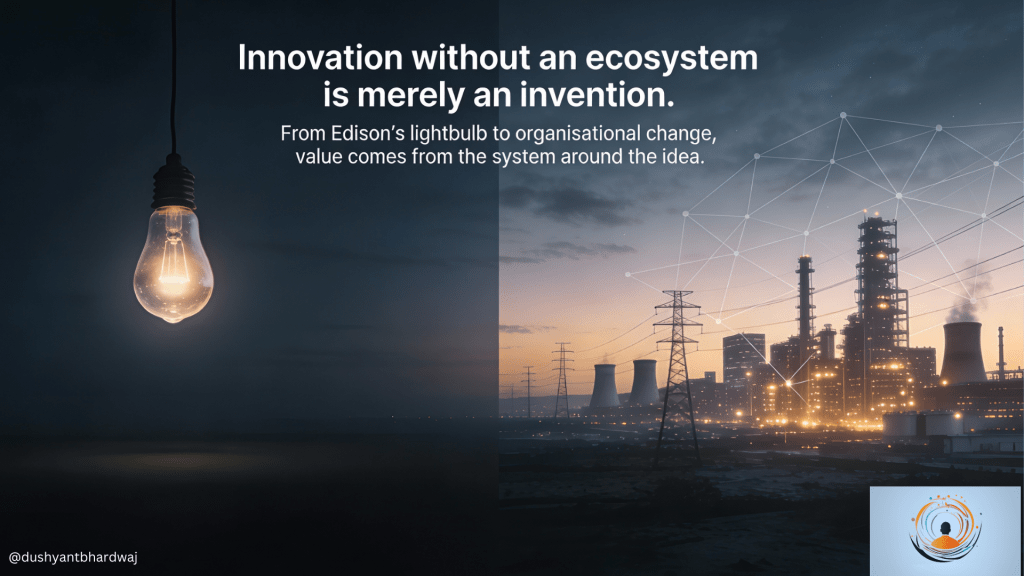
Thomas Edison wasn’t technically the inventor of a light bulb. Decades before him, inventors such as Ebenezer Kinnersley (1761) and Humphry Davy (early 1800s) did a great amount of work to create incandescent lamps. However, Edison turned the electric lightbulb into a practical product and wrapped an entire ecosystem around it. Edison understood that the… Continue reading
-
How Newton’s First Law Explains Organisations’ Innovation Struggles?
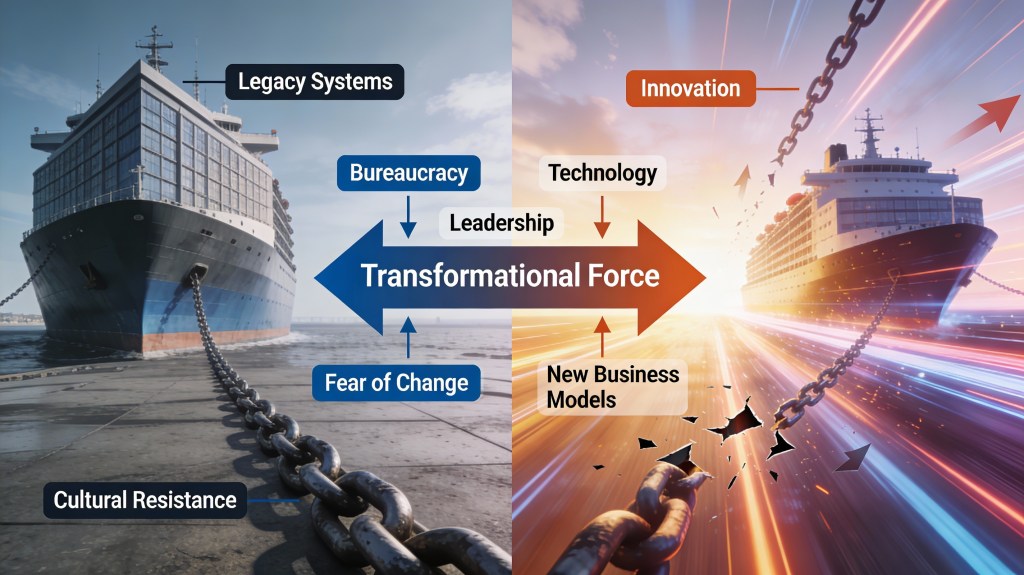
Newton’s first law of motion is also called the law of inertia. Organisations looking to innovate get trapped with this inertia. Organisational inertia keeps them with the status quo. When trying to break the status quo, you hear those famous words: “This is how things are done here!” You can’t just start innovating the organisation… Continue reading
-
Innovation energy

Every organization has a vast amount of innovation energy, but most of them waste their innovation energy by either not harnessing it properly and keeping it locked, or showing off with one-off innovation efforts that go nowhere. Many think that they have done a great deal by asking their employees about innovative ideas, but never… Continue reading
-
Parmenides’ Fallacy

If you believe innovation is unnecessary just because disaster hasn’t struck, you’re already caught in Parmenides’ Fallacy. Parmenides, the Greek logician, argued that reality is unchanging and the world evolves without our intervention. We compare today to the past, rather than to what would have likely happened if we had done nothing. When it… Continue reading
-
Strategy – an ongoing journey!
You will be disappointed with the results if your strategy is a finished product.Why?Strategy was never meant to be a destination or a solution. It was meant to be a journey that needed continuous leadership. The term strategy originates from the ancient Greek word “strategos”, meaning “general”—the military leader responsible for planning and directing troops… Continue reading
-
Which CTO personas have you seen in your business?
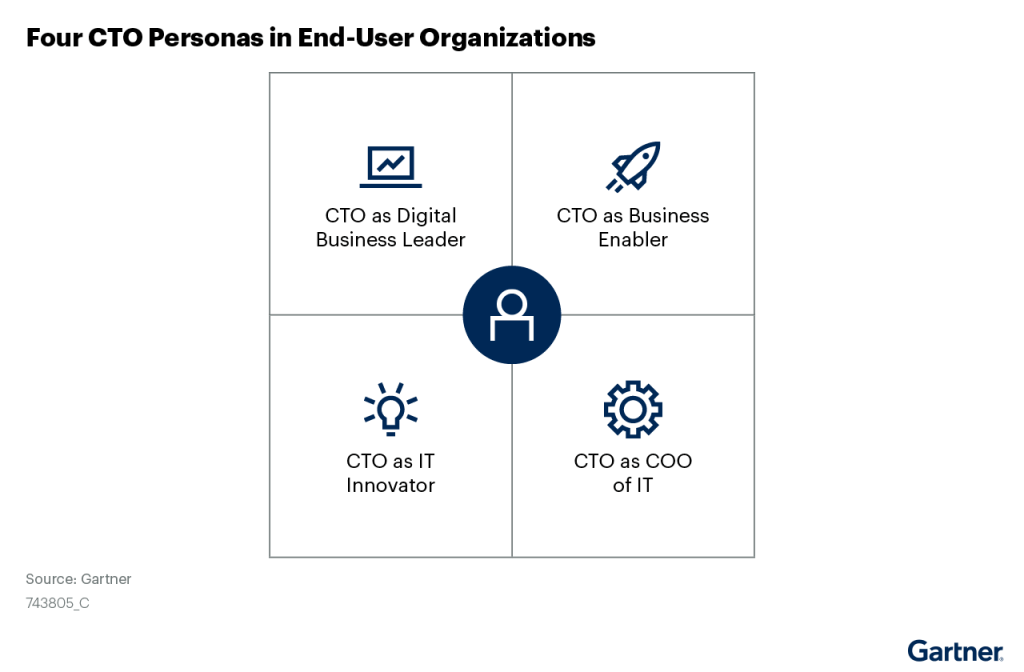
CTO’s role vary in scope depending on the industry and organization size. In a typical Gartner personification, we see the CTO’s role in primary industry businesses in four personas: · Digital Business Leader — Accountable for the digital business technology strategy and building and architecting the required digital platforms. · … Continue reading
-
Data & AI Literacy
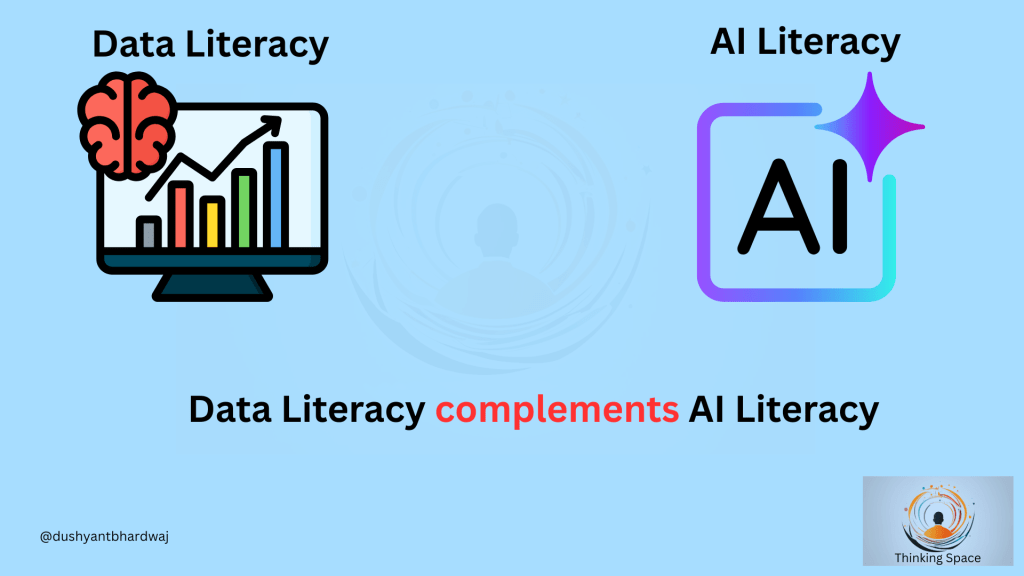
Data literacy helps identify, understand, interpret, and act upon data within a business context to drive business value or outcomes. AI literacy helps identify implications, risks, and resulting value and outcomes from data using AI. Continue reading
-
AI Deployment & AI Adoption
We often celebrate AI success with the number of AI deployments to production. But do we measure the adoption? Because it is adoption that drives the outcome. Deployment is simply a technical milestone; adoption is an organizational change where people, processes, and governance align to create measurable value at scale. Before deploying AI solutions, we… Continue reading
-
How to scale Technology Innovations that deliver business value?
Even after proofs of concepts (POCs) that solve identified business problems, scaling the innovative solutions can feel like trying to build a sandcastle during high tide. Two key areas that can help scale your innovation efforts: You will always have limited resources to help all the innovation efforts that can be there at a given… Continue reading
-
Major AI models already cross EU AI act’s FLOP limit for systemic risk before this comes into effect?
What is FLOP – the number of floating-point operations (FLOP) of cumulative compute used during a model’s training? What is the limit as per the current EU AI act – 1025 FLOP What does it mean if a model crosses this limit – If a general-purpose AI model is trained using more than 1025 FLOP, it is… Continue reading
-
What you see is all there is or shall I say what you show is all there is?
Let me start with a beautiful scenario from Innovator’s Dilemma (slightly adapted version)In the same week, two respected employees, one from marketing, the other from engineering, run two very different ideas for new products past their common manager two levels above them in the organization. The marketer comes first, with an idea for a higher-capacity,… Continue reading
-
Isn’t nearly everything a technology-led innovation?
When we think of technology-led innovation, we misjudge it as some emerging technology or a new shiny tool.However, if we extend technology’s definition as Clay Christensen put it – “the processes by which an organization transforms labour, capital, materials, and information into products and services of greater value”, then innovation refers to a change through… Continue reading
-
Reverse Innovation: A key tool for your innovation toolkit
Reverse innovation refers to the strategy of bringing your local innovations which have worked for a local market to the centre to expand and scale for your wider customer base or wider organizational context. This approach flips the traditional innovation flow, which typically sees products or services to be designed first and then trying to… Continue reading
-
Leadership in context
Warren Buffett once said:“When a management with a reputation for brilliance tackles a business with a reputation for bad economics, it is the reputation of the business that remains intact.” While this is true in the context of wider market and competitive forces beyond management control, I find this equally true in the context of… Continue reading
-
Innovation: Let’s start with the basics

For the next couple of weeks, I’ll share my ideas, experiences, and learnings about innovation. Let’s start with the basics, how do you define innovation? I like the definition: Innovation is the process of turning new ideas into solutions that create value. This definition is intentionally generic but covers all the dimensions. Let’s break it… Continue reading
-
Uncertainity
World uncertainty is increasing again. As per the latest World Uncertainty Index report, it has been approaching the 50k mark, near the all-time high we saw during the 2020 Covid time.World Uncertainty is primarily a measure of global economic and policy uncertainty. Combining it with the rate of change in technology is making our personal… Continue reading
-
Could AI experience cognitive decline/disorder, and would we soon need ‘AI therapists’ to treat the AI?
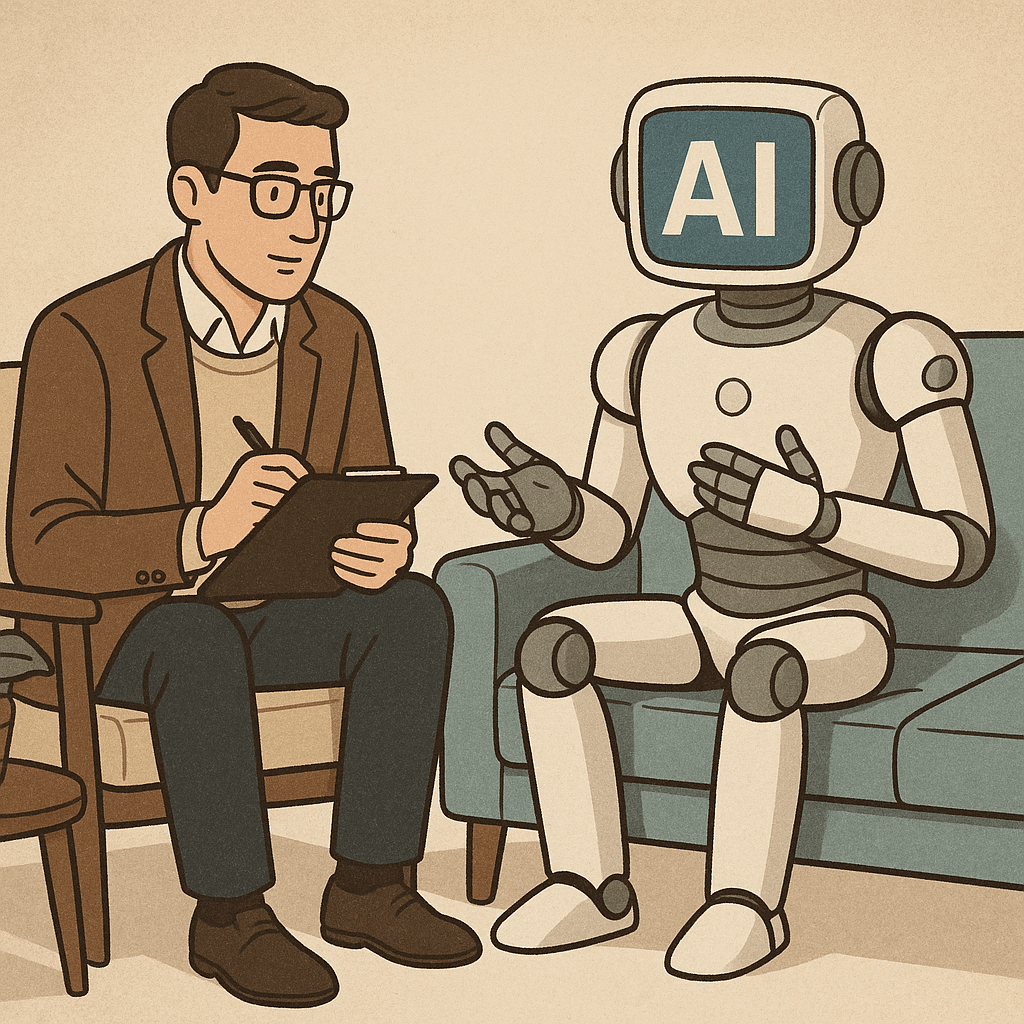
We humans as we age, we go through common cognitive disorders ranging from normal declines such as memory, language, and reasoning to more severe ones such as changes in personality, Parkinson’s, or dementia.We are now learning that AI systems particularly Large Language Models (LLMs) exhibit behaviors similar to human cognitive decline ranging from mild such… Continue reading
-
Managing Uncertainty:
Many may assume that top executives have access to all the necessary data and operate with certainty. However, the reality is quite the opposite: as one climbs the career ladder, the level of uncertainty increases. Effectively managing uncertainty is one of the most essential skills for executive success. Continue reading
-
Does an organization need to have a Chief Innovation Officer role?

You might see innovation as a top corporate objective but when it comes to executive responsibility nobody seems to have a clear responsibility for innovation. You might argue that everyone in the organization is responsible for innovation and that very thought leads to mediocre outcomes with innovation. You may not necessarily have a Chief Innovation… Continue reading
-
How smart leaders and organizations deal with disruptive change?
The very processes and values that constitute an organization’s capabilities in one context, define its disabilities in another context. organizations have capabilities that exist independently of the people who work within them. An organization’s capabilities in the form of: Processes and values are not flexible. Process and values that were fit for dealing with a… Continue reading
-
AI trends for CTOs, CIOs and IT leaders for 2025
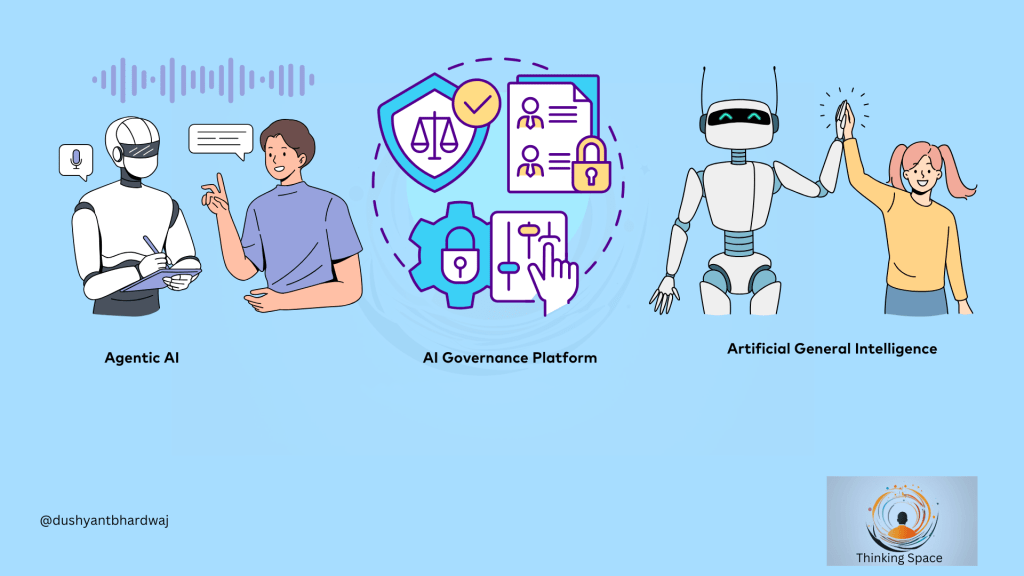
Rate of change for AI is going to accelerate further in 2025. As CIOs, CTOs and IT Leaders prepare for the future, many of them are overwhelmed by the incredible speed of technology innovations, specifically in AI. Top strategic technology AI trends that technology leaders will need to focus on in 2025. Let’s explore each… Continue reading
-
Power of listening
Sometimes the best way to communicate is to say nothing at all. Continue reading
-
Hypermachinity and Hyperhumanity

Hypermachinity: Taking humanity out of the equation and create better systems and machines.Hyperhumanity: Taking technology deeper into human to enhance human capabilities.Hypermachinity: We have been evolving the machines ever since they have been invented. We have already seen human level competence in some areas with Generative AI. As AI evolves into Artificial General Intelligence, machines… Continue reading
-
Quote I am pondering
Learn how to be alone without being lonely. Solitude is essential for creativity and deep work. #LifeLessons #ExcellentAdvice Continue reading
-
AI supplemented with Quantum Computing
Mainstream Quantum Computing (QC) is still couple of years away, may be a decade, but advancements in AI; supplemented by QC in its embryonic form is going to accelerate the rate of change for technology and business.Some industries such as finance, life science and pharma will benefit sooner than others.While we look with optimism for… Continue reading
-
Leader’s role in innovation
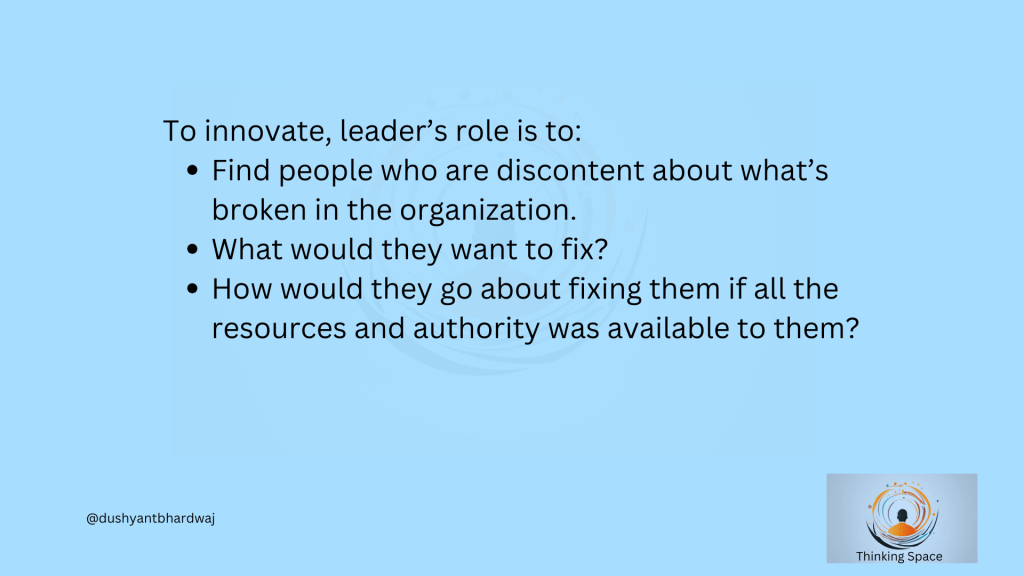
Leader doesn’t need be an innovator. To innovate, leader’s role is to: Continue reading
-
IT/Business without a proper Architecture

Architecture is not an inspirational business, it’s a rational procedure to do sensible and hopefully beautiful things; that’s all. —Harry Seidler The Winchester Mystery House in San Jose was built by William Winchester. Although it has approximately 160 rooms, it was missing something critical: it’s blueprint, it’s architecture. The house was built without an architect;… Continue reading
-
VUCA and Future-fit Organizations
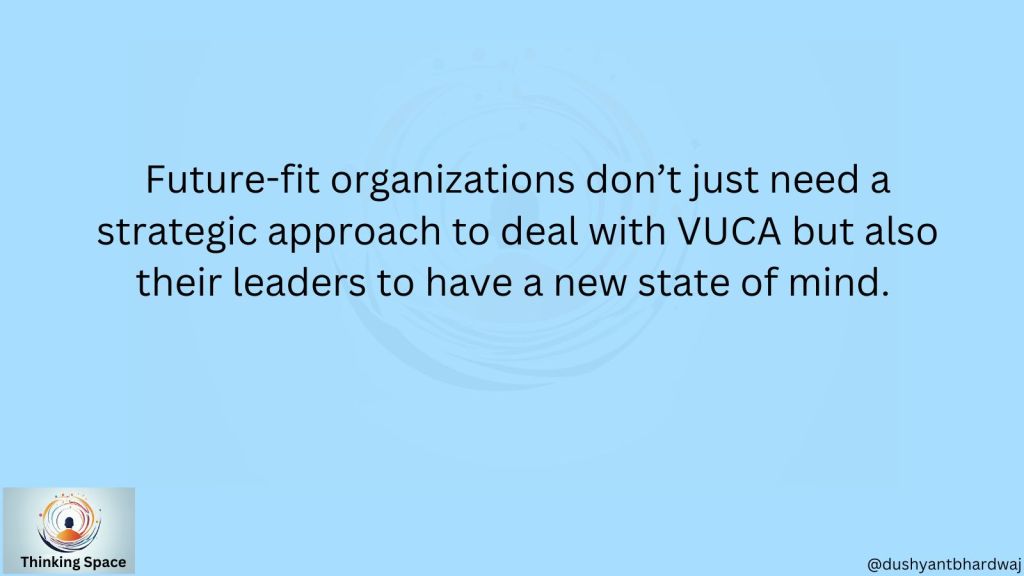
The U.S. Army War College coined the term VUCA in 1987 to describe or to reflect on the volatility, uncertainty, complexity and ambiguity of the post-Cold War world. The world today is much more VUCA than it was in 1987 and organizations need to be proactive in moving from an ad hoc approach to trendspotting… Continue reading
-
Role of a ‘Futurist’
Organizations increasingly are having some sort of ‘Futurist’ roles. These individuals are typically tasked with anticipating future trends and create long-term strategies. However, I believe, rather than having specialised role of a ‘futurist’, every leader must be somewhat of a futurist. As encyclopedia defines, Futuring is the field of using a systematic process for thinking… Continue reading
-
Maximizing Business Value with Small Language Models (SLMs)
Organizations are finally coming close with the reality of how to responsibly use Large Language Models(LLMs) for the business use cases that are not merely experimental but provide real business value. While Large Language Models (LLMs) have been great with generic language understanding; they are costly to customize for a specific domain or simply for… Continue reading
-
Analysis Paralysis
A wise rabbi is on his deathbed, surrounded by his students. He tells his best student, “Life is…a river.” This message is passed down the line of students until it reaches the youngest, who asks, “But what does the rabbi mean, life is a river?” The question is then passed back up and the wisest… Continue reading
-
AI Awareness & AI Literacy
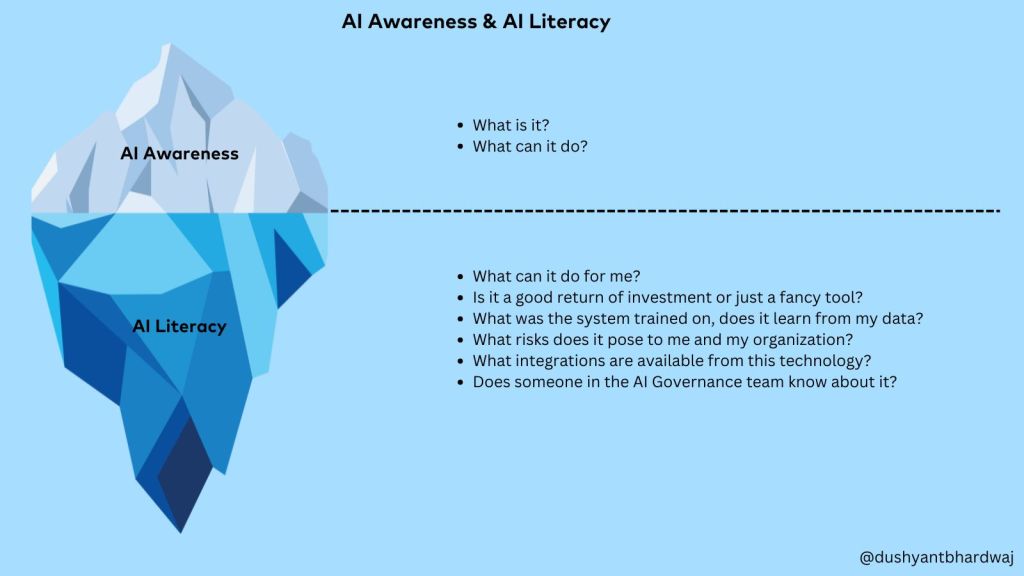
To succeed with AI you can’t just have bunch of AI specialists, you need to educate your entire workforce — from the boardroom to front-line workers — on the technical, value and ethical aspects of AI. Most of us now have AI awareness through our own curiosity, social media or supercharged sales pitches but with… Continue reading
-
Forceful change leads to mediocrity
Most of us keep learning and exploring different areas in our professional work. Some of us become specialists, and some of us enjoy being generalists. But many times, we have seen that a talented person can quickly become mediocre when you force them to be someone they aren’t. Continue reading
-
IT – ‘a strategic partner’ or merely a ‘cost centre’
ON APRIL FOOLS’ Day, Intel’s employee newsletter used to feature a farcical story whose joke was that it was obviously impossible. On April 1, 1998, the headline was “Intel IT Wins an Intel Achievement Award.” Everyone in the enterprise laughed—except, of course, for the IT employees. This happened more than two decades ago and since… Continue reading
-
The Invisible Drain: AI’s Escalating Impact on Global Water Resources

Emerging technology is water thirsty. As more and more compute power is needed for AI this requires higher levels of cooling. Worldwide demand for AI could be responsible for withdrawing between 4.2 and 6.6 billion cubic meters of water by 2027 — almost half of the United Kingdom’s annual water consumption. There are countless examples… Continue reading
-
Could current AI services be moving towards ‘Enshittification’?
Cory Doctorow a science fiction author has coined the term ‘enshittification’, which refers to; how online platforms win over millions of users by providing great service and delighting their users, but once they’ve established their position, they begin to prey on the new market they created. First, they come for their suppliers and advertisers, but… Continue reading
-
There is a third way!
According to one study the distributed leadership will only continue to build, leading to flatter organizations. However, the other study suggests that regulations could push leadership go backward, toward more hierarchy. There are pros and cons of both leadership models. Too distributed organisations don’t have total view of the reality, while too centralised remove agency… Continue reading
-
AI Evolution
“AI will evolve more cheaply, more rapidly, and more autonomously than any technology we have ever seen”, seems like a bold prediction, but everything from cheap computational power using hardware like GPUs and TPUs to advancements in deep learning, self-enforcement learnings and NLPs using GPTs and BERT models are all coming together to support this… Continue reading
-
AI regulations and Leadership responsibility
Across the world various government entities have introduced or enacted policies and regulations for AI that will impact organizations. Some of them are: The common theme, regardless of geographical region, is that business leaders need to either step up or step aside. The overall message is that if you are in a leadership role, you… Continue reading
-
Predictions and Planning
Predictions: “No airship will ever fly from New York to Paris. That seems to me to be impossible,” wrote Wilbur Wright, the co-inventor of the airplane, in 1909. Just 10 years later, in 1919, a British airship crossed the Atlantic. “The growth of the Internet will slow drastically,” wrote Paul Krugman in 1998. “Most people… Continue reading
-
What can businesses learn from exaptation?
The biology term exaptation was coined by great evolutionary biologist Stephen Jay Gould to explain a trait that can evolve because it served one particular function, but subsequently, it may come to serve another. For example, although today most birds use their feathers to fly, it would be incorrect to say that this means that… Continue reading
-
AI Trust, Risk & Security Management
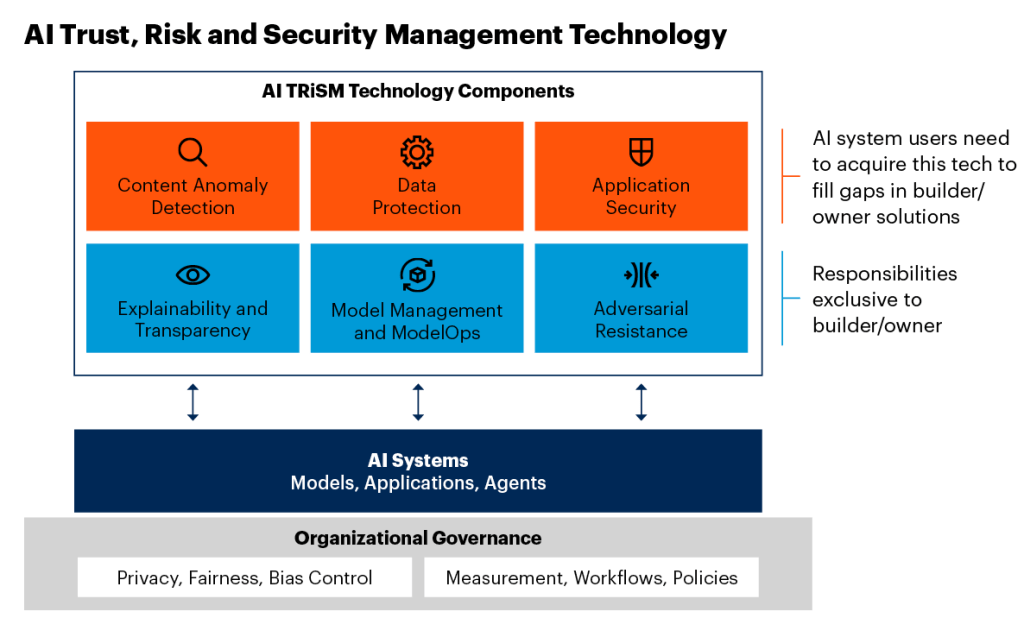
The democratization of AI and use of LLM services such ChatGPT & Bard (now Gemini) in the enterprise use cases also pose significantly evolving risk to the organization. Without proper controls, any type of AI model can quickly generate compounding negative effects which may overshadow any positive gains from AI. AI TRiSM(Trust, Risk and Security… Continue reading
-
Science, Art & Spirituality

Three disparte domain of human experience yet they are interconnected. While science provides us tools for exploration, experimentation and analysis. Art uses emotions, imagination and creativity. Spirituality explores meaning, purpose and connection larger than oneself. Science eventually catch up with art and deep end of art connects us with spirituality. Continue reading
-
Proposed EU AI act and it’s impact

The proposed EU AI act which is currently in its final stages is going to be world’s first comprehensive legal framework for AI. Technology leaders must be prepared to put a plan to deal with AI risks, trust and security management. Key elements of the current draft include: It is has proposed three risk categories:… Continue reading
-
Key trends and challenges for Architecture teams in 2024
Architecture is central to an organization becoming adaptive and resilient through composable design, efficient processes and carefully designed deliverables. EA/Architecture functions have already started shaping their deliverables with insights and focusing the value delivery to stakeholders. However to deal with the pace of AI/GenAI, architecture teams need to upskill and develop their architecture frameworks for… Continue reading
-
Thoughts and habits hindering (creative) work!
Rick Rubin shares about thoughts and habits which are not conducive to the creative work. However, most of these are applicable to our general work and life. Emphasis (bold) and extensions (italics) are mine. • Believing you’re not good enough. • Feeling you don’t have the energy it takes. (Focus is more important than energy) •… Continue reading
-
Creativity

“Making simple complicated is commonplace”, Charles Mingus once said. “Making complicated simple, awesomely simple without loosing its essence, that’s creativity.” Famous author Yuval Noah Harari received a critique review for his bestselling book Sapiens from an anthropologist as “merely citing the facts and no contribution to the knowledge”. Harari graciously accepted and acknowledged that he… Continue reading
-
What you know about people?
One of my favorite writer Morgan Housel shared a beautiful post about ‘Information that would get your attention’. This section in the post resonated me Everything you know about people – everything everyone knows about people – comes from what someone was willing to say, or write down, or that was observed in action. What percentage of… Continue reading
-
Strategy vs strategy

Strategy: the study of the fundamental determinants of potential business value. Strategy can be usefully separated into two topics: Statics—i.e. “Being There”: what makes an enterprise business so durably valuable? Dynamics—i.e. “Getting There”: what developments yielded this attractive state of affairs in the first place? Power: the set of conditions creating the potential for persistent… Continue reading
-
Combinatorial Innovation
Combinatorial innovation explores and exploits how multiple technologies and non-technology events interact to create disruptions, drive trends or enable innovative opportunities to generate business value. There are three components to combinatorial innovation that technology innovation leaders, should incorporate into their process for evaluating emerging technology trends: 1.Combine — Focus business innovation projects and proof of concept efforts… Continue reading
-
Lollapalooza effects
The term lollapalooza effects/results was popularised by late Charlie Munger to describe the exponentiallly amplified outcomes when couple of forces/factors which might be mild, act in the same direction. Financial markets are the prime example for lollapalooza effect where bubbles and bursts may look sudden but these are because of the impact of many small… Continue reading

 Thinking Space